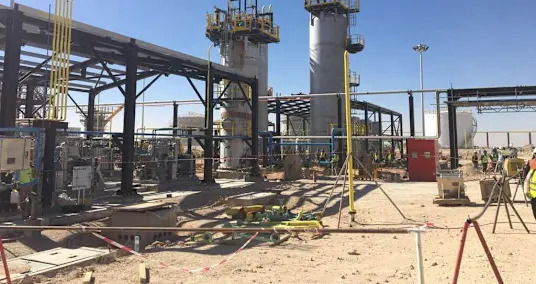
Africa’s energy producers are emerging as unexpected long-term beneficiaries of the Middle East conflict, according to oil analysts.
Angola, Mozambique, and Nigeria are among nations increasingly viewed by European and Asian buyers as lower-risk alternatives to disrupted supplies: With the Strait of Hormuz and Red Sea now high-risk routes, African volumes carry lower insurance premiums and more predictable delivery times — structural advantages that could reshape long-term supply contracts.
Africa’s liquefied natural gas sector stands to gain most; export capacity is projected to more than double by 2040, according to the African Energy Chamber. The crisis could also accelerate long-delayed projects, including the Trans-Saharan pipeline designed to carry Nigerian gas through Niger and Algeria to Europe, which has been beset by safety and security concerns in the Sahel region.
Horizon Engage risk analyst Clementine Wallop warned, however, that while Africa was a “logical place to look,” the risks some of these projects have faced — security, political, or logistical in nature — “show that this is not a quick fix.”
Potential gains for producer nations are nevertheless cold comfort for millions of ordinary Africans: The conflict has sent Brent crude surging more than 50% to around $110 a barrel, and since most African countries are net importers of refined oil products, the price shock has been swift and severe.

latest_posts
- 1
 Instructions to Construct an Organization While Chasing after a Web-based Degree
 - 2Israel faces tough choices over haredi draft exemptions, legal expert warns
- 3Posts falsely claim Netanyahu video fabricated to cover up his death
- 4Freed whale gets stranded again off German coast
- 5Hilary Duff announces new album ‘Luck… or Something,’ her first in over 10 years: ‘Excited is the largest understatement’



- EU calls on Western Balkans to step up reforms for membership
- EU-funded BioSupPack project turns brewery waste into bioplastics
- 15 skywatching events you won't want to miss in 2026
- From Representative to Business visionary: Private issue Victories
- Iran, Hezbollah fire rockets at Israel during Passover celebrations
- Sean Penn lights up, Kylie Jenner gets A-list approval and 7 other moments you didn’t see at the Golden Globes
- How Much Has the Iran War Cost the Average American Per Day?
- Lebanon says Israeli strike killed 13 people near Palestinian refugee camp
- Boats escort freed whale away from shallow waters off German coast